Well, the fuel surcharge has caught up with us. It’s on our freight, it’s on the groceries, it’s on pretty much anything that comes off a truck. We held it off as long as we could, but it’s here now.
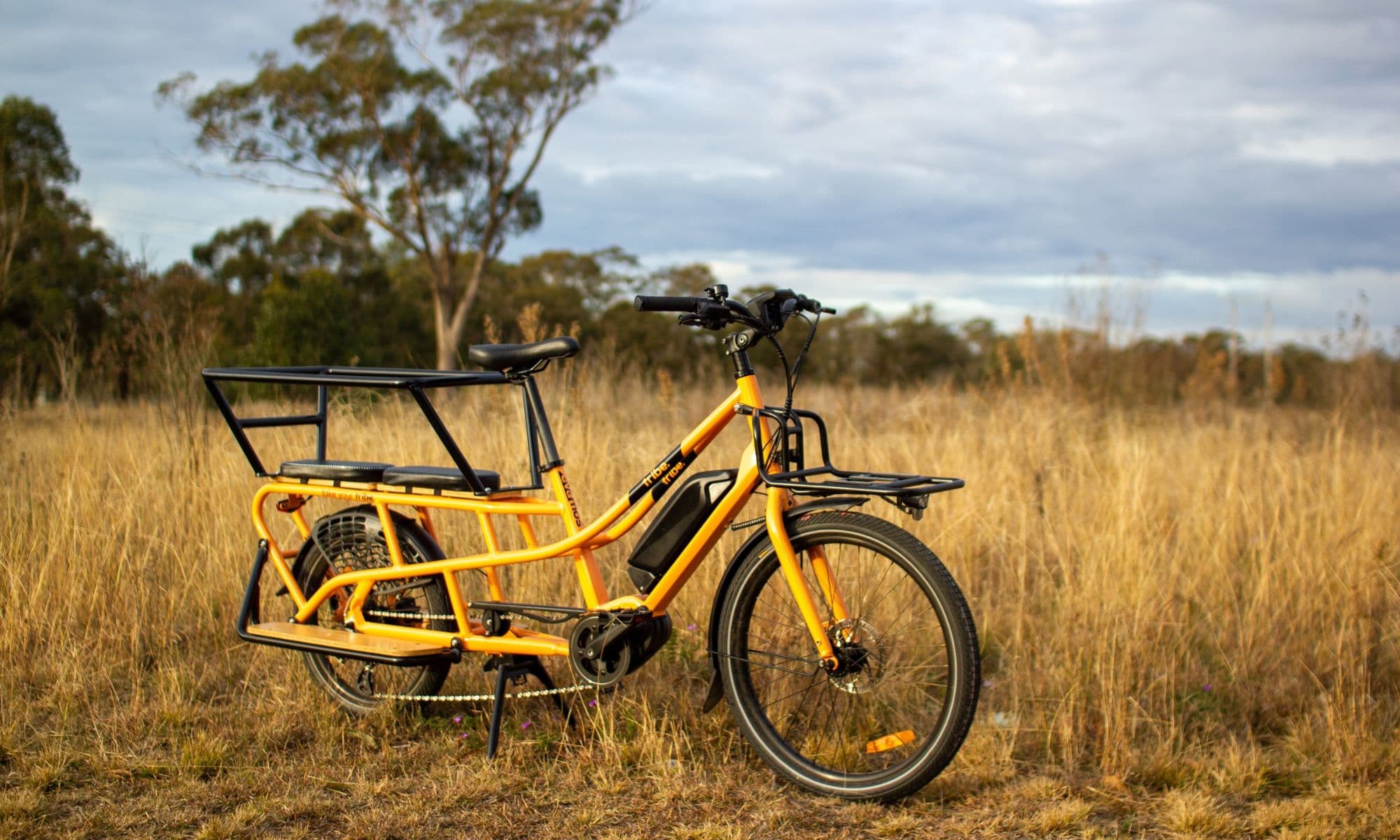
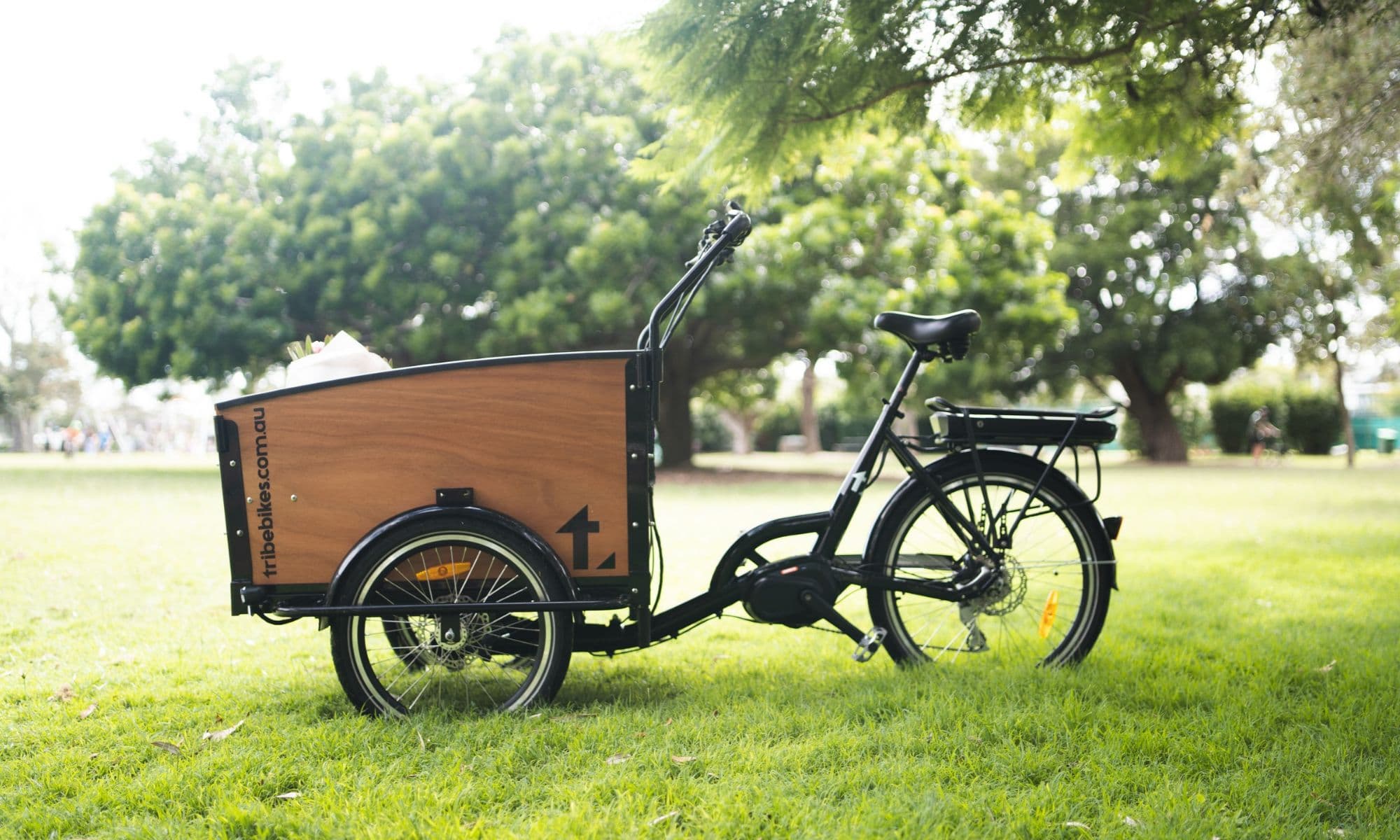
Running costs are only half the picture. See what each cargo bike in our range carries, or compare the styles side by side before you choose.
So rather than write another post about a deadline, here’s a more useful thought: what if the price of fuel stopped being your problem?
A cargo bike doesn’t care what fuel costs
An e-bike doesn’t run on petrol, so it couldn’t care less about oil markets, tanker routes, refinery outages or what the sign at the servo says this morning. It runs on electricity, which costs cents per charge, and that number barely moves.
You can’t negotiate fuel prices, shop around much, or plan your way out of them. They go up and you pay. A cargo bike lets you step out of that for a good chunk of your driving.
The short trips
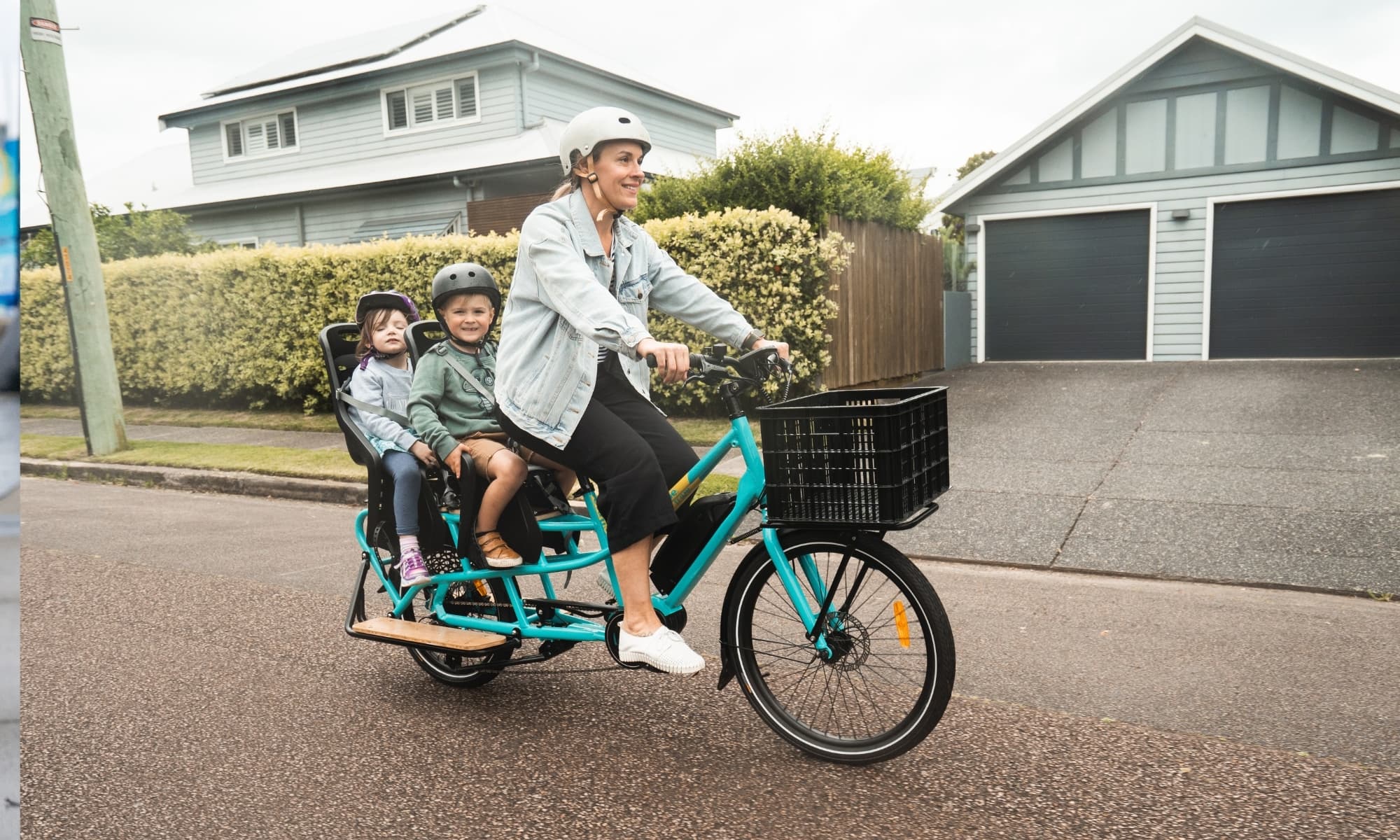
Nobody’s suggesting you sell the car. Most family driving isn’t long haul anyway. It’s the school run, the shops, swimming lessons, the park, a coffee, the chemist. Short trips close to home, several times a day, which is exactly what a cargo bike does well. It’s also where a car is at its least efficient, burning the most fuel per kilometre while the engine’s still cold.
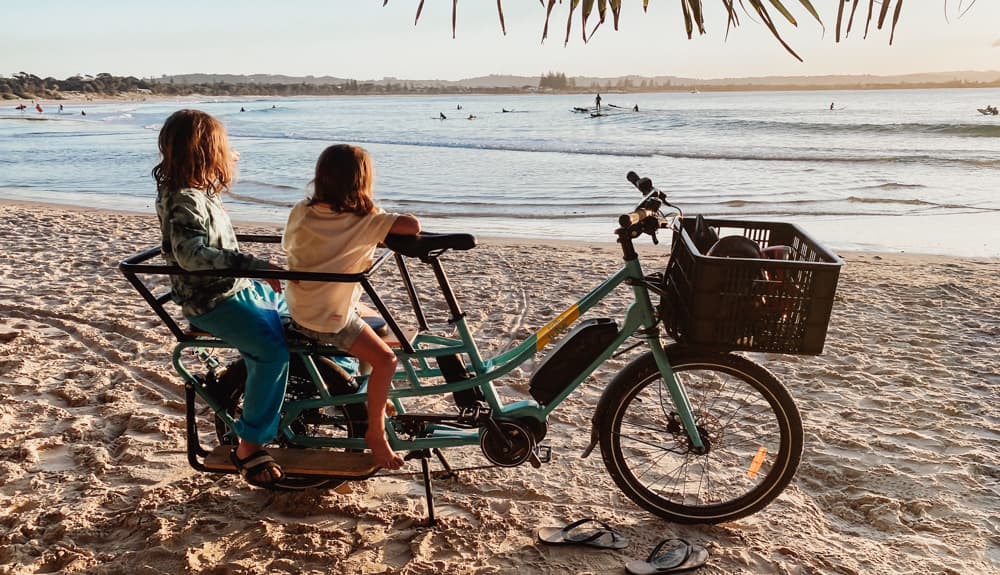
A Tribe carries the kids and the shopping at the same time, and on a single charge you can expect roughly 40km with some hills and moderate assist, or up to 50 to 60km on flatter rides with the assist set low. For most families that’s a week of local trips.
Do the maths on your own week
We won’t make up a number for you, because your driving isn’t our driving. But the sum is easy enough to do yourself.
Take the trips you make in a normal week that are under about 5km and work out what they cost you in fuel. The same trips on a Tribe cost cents, and that figure doesn’t go up when the next surcharge lands. Most people are surprised by how much the short trips add up to.
It gets better as fuel gets worse
Most things you buy get less appealing as times get tougher. A cargo bike goes the other way, because every rise at the pump widens the gap between driving a trip and riding it. Nobody knows where fuel prices go next, and with a bike you don’t need to.
And parking is free
This one never makes it into the fuel calculation: you ride past the queue, park at the door and don’t pay for it. On the school run it’s often the thing people notice first, and the thing they miss most if they go back to the car.