Most people who ask us this have already done the sum in their head and want someone to check it. So here is the working, with the parts that depend on your own car marked as such.
A second car costs you before it moves: registration, CTP, insurance. Then fuel, servicing, tyres, and depreciation, which is the one everybody forgets because it never appears on a statement. The motoring bodies publish running-cost figures every year and even a small car lands in five figures annually once depreciation is counted. Look up the current figure for your own car rather than trusting ours.
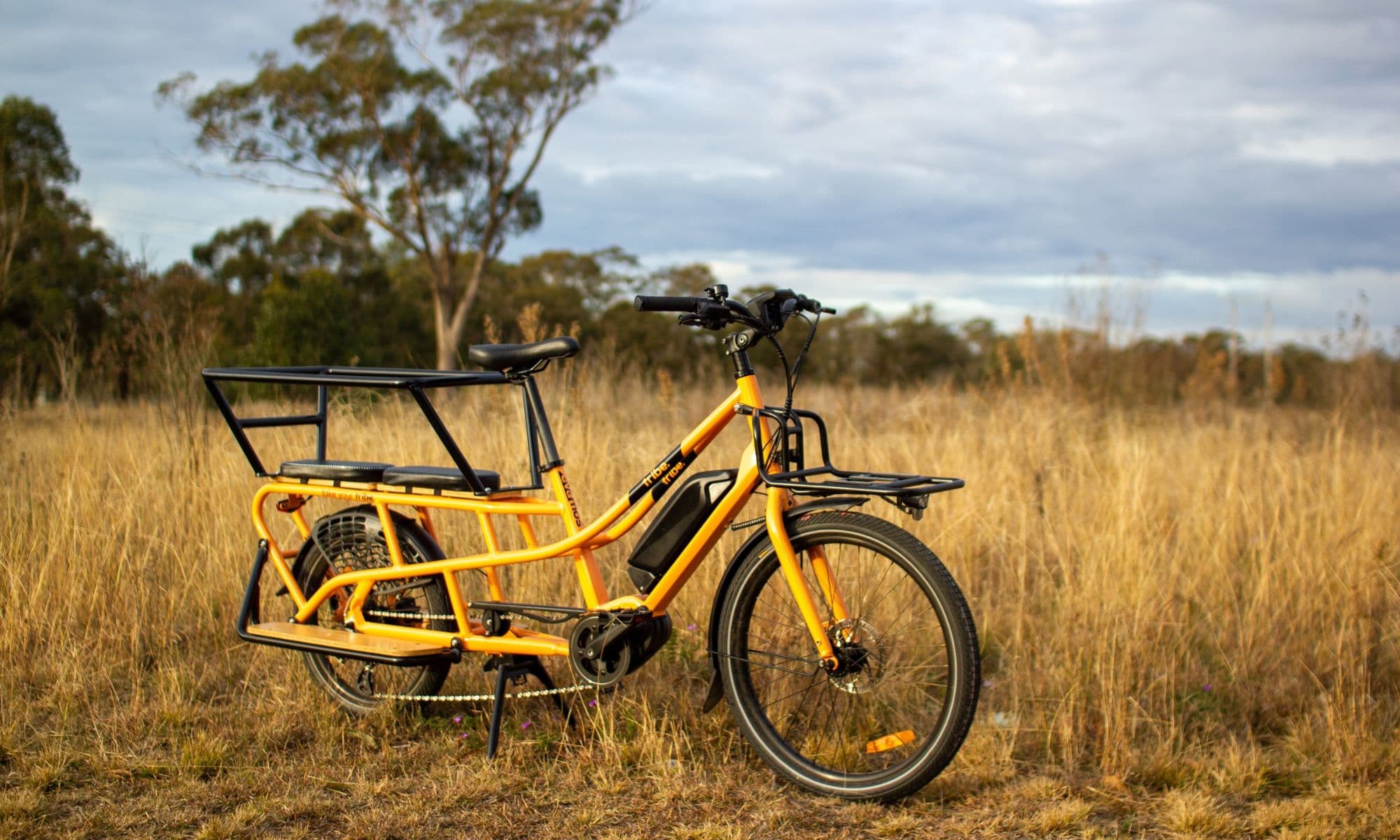
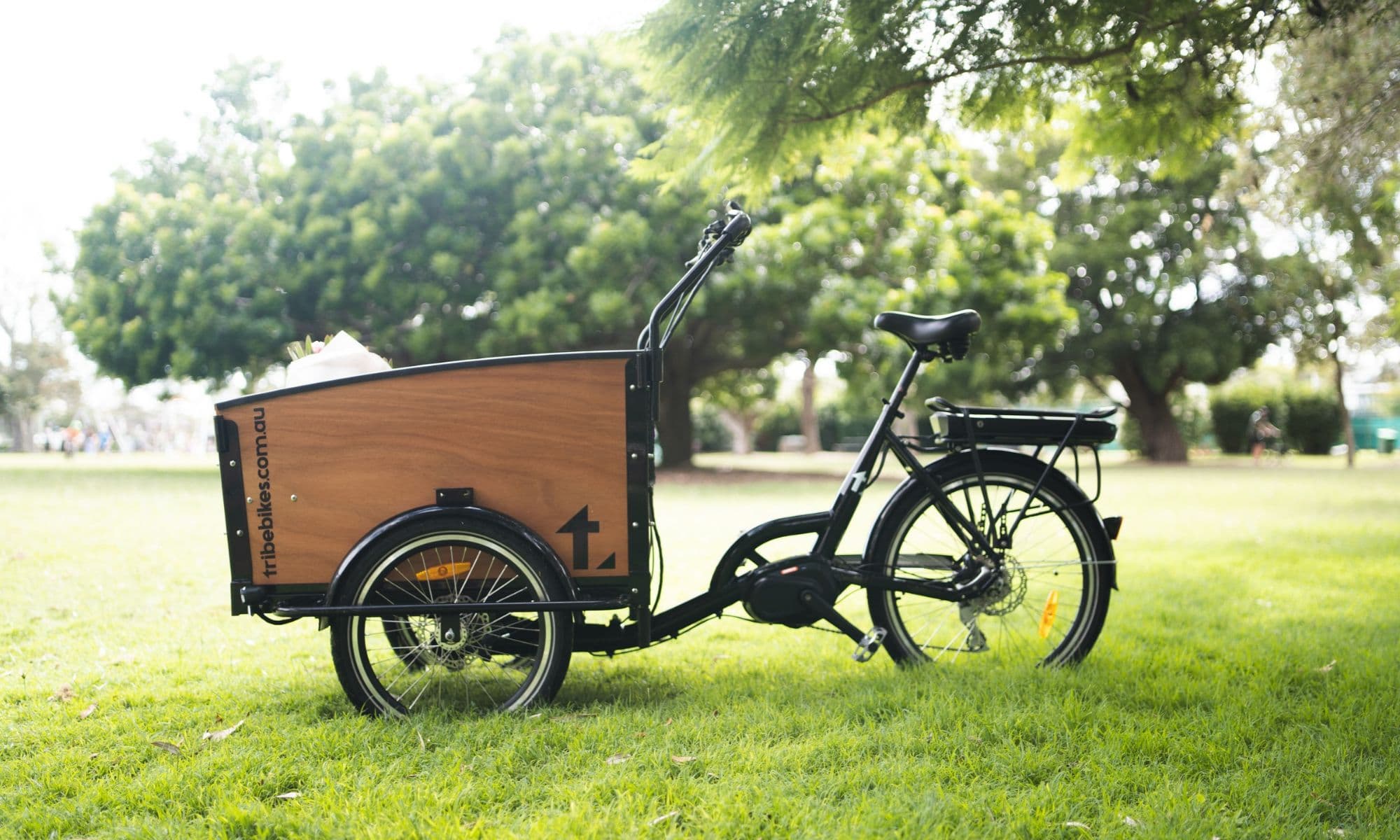
A cargo bike costs you once, then a service or two a year and electricity at cents per charge. There is no registration and no fuel. It depreciates too, but slowly, and that is the same forgotten line item running the other way: a looked-after cargo bike is still worth a decent share of what you paid when the kids outgrow it.
The swap almost nobody makes is going car-free, and we would not suggest it. The one people do make is going from two cars to one: keeping the car for the trips that need a car, and giving the bike the daily orbit. That orbit is usually most of the trips and hardly any of the kilometres, which is exactly the slice where a car is least efficient and a bike is at its best.
Jennifer in Brisbane described the reasoning better than we can. Her family chose where they live because almost everything they need is within 10km, and they would rather run one vehicle. She was up to 190km within a few weeks, commuting to school almost daily, plus an 18km run out for a beach day.
We chose to live in the area we do as almost everything we need is within 10km, and as we want to reduce our carbon footprint, we prefer to operate as a single vehicle household.
Jennifer, Brisbane
Worth saying plainly: she did not save money by buying a bike. She saved money by not buying a second car. Those are different decisions and only one of them has a payback period.
The awkward part of this comparison is that it works best for the people who least need convincing. If you live somewhere with 10km of useful destinations and a bike path, the sums are almost embarrassing. If you are 20km out on a highway with no shoulder, no spreadsheet is going to fix that, and we would rather say so here than have you work it out after delivery.
Common questions
Do you insure a cargo bike?
Usually under home contents, and it is worth checking your policy covers it away from the house. Some insurers want it listed as a specified item at this value.
What about rain?
Rain covers exist and work. Realistically, unless you are a hardcore biker, you will still drive on the worst days, and any honest calculation should assume that rather than pretend otherwise.
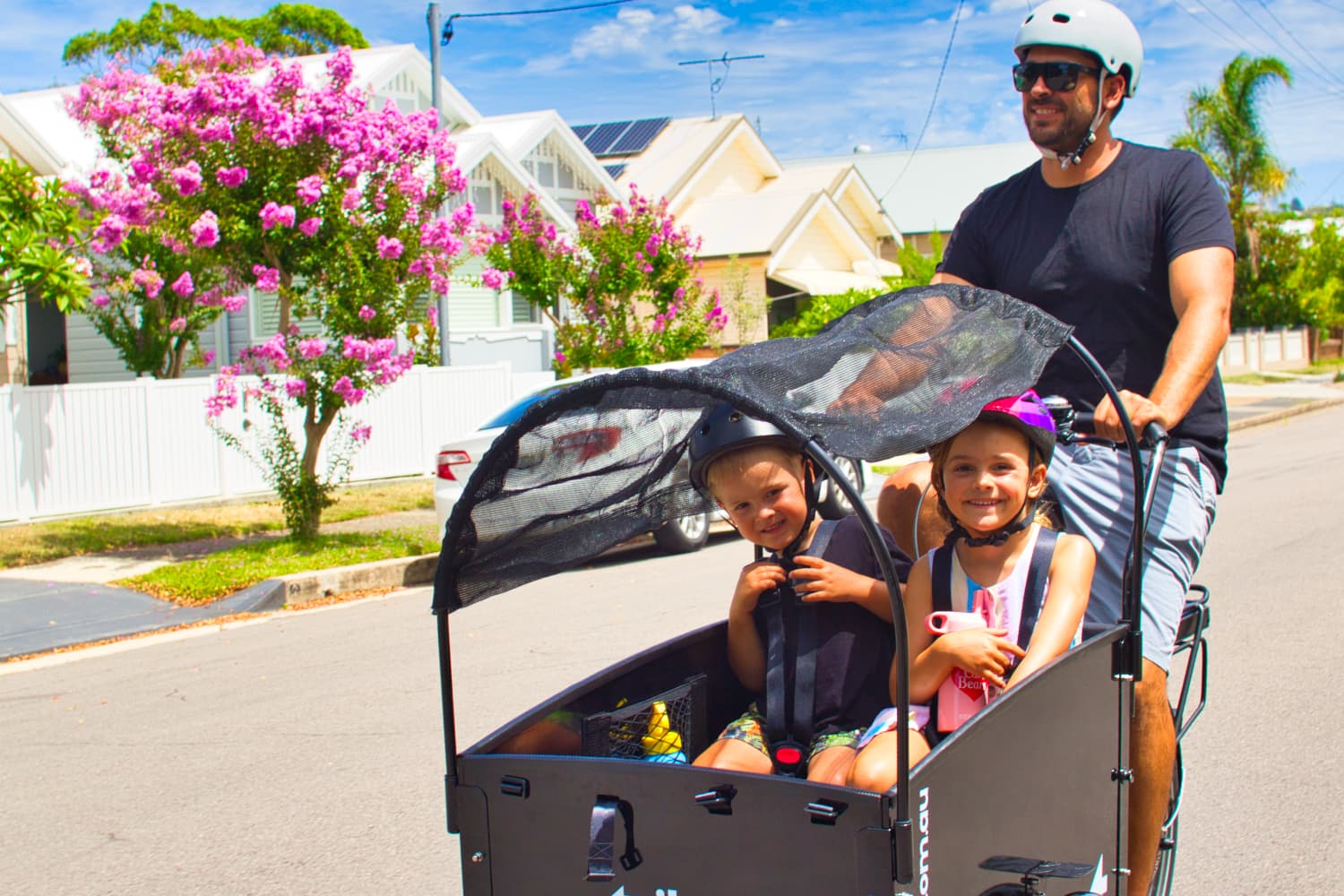
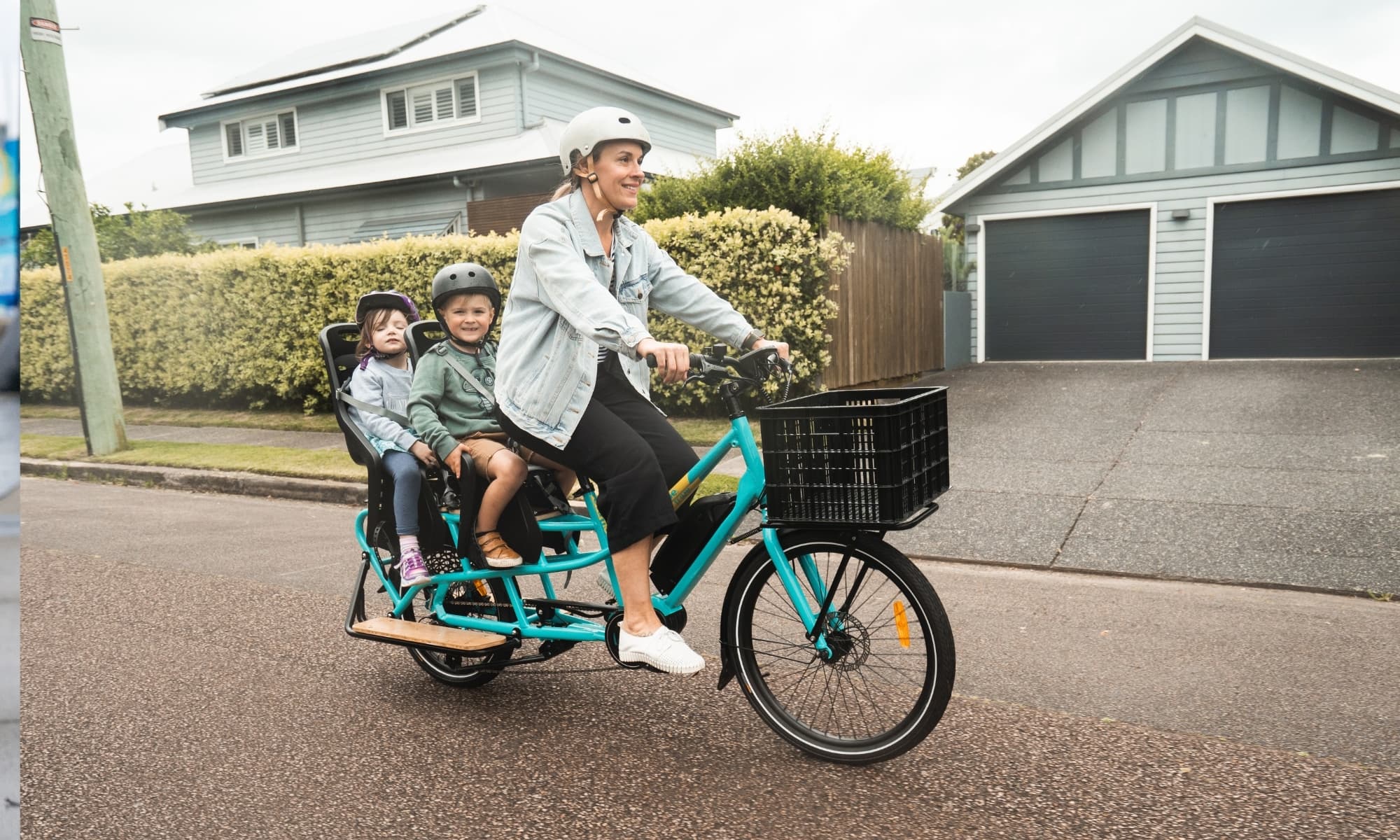
Can it really replace car trips with two to four kids?
That is the design brief. Two to four kids plus bags is the load these bikes are built around, not the edge of what they will do.